Noises in attics or walls
Scratching, rolling, squeaking, fluttering, or heavy movement—along with the time it occurs—can help narrow the likely animal and location.
Humane wildlife removal and exclusion services in Fayetteville, NC. We remove unwanted animals and seal entry points to help prevent future intrusion while protecting the property.
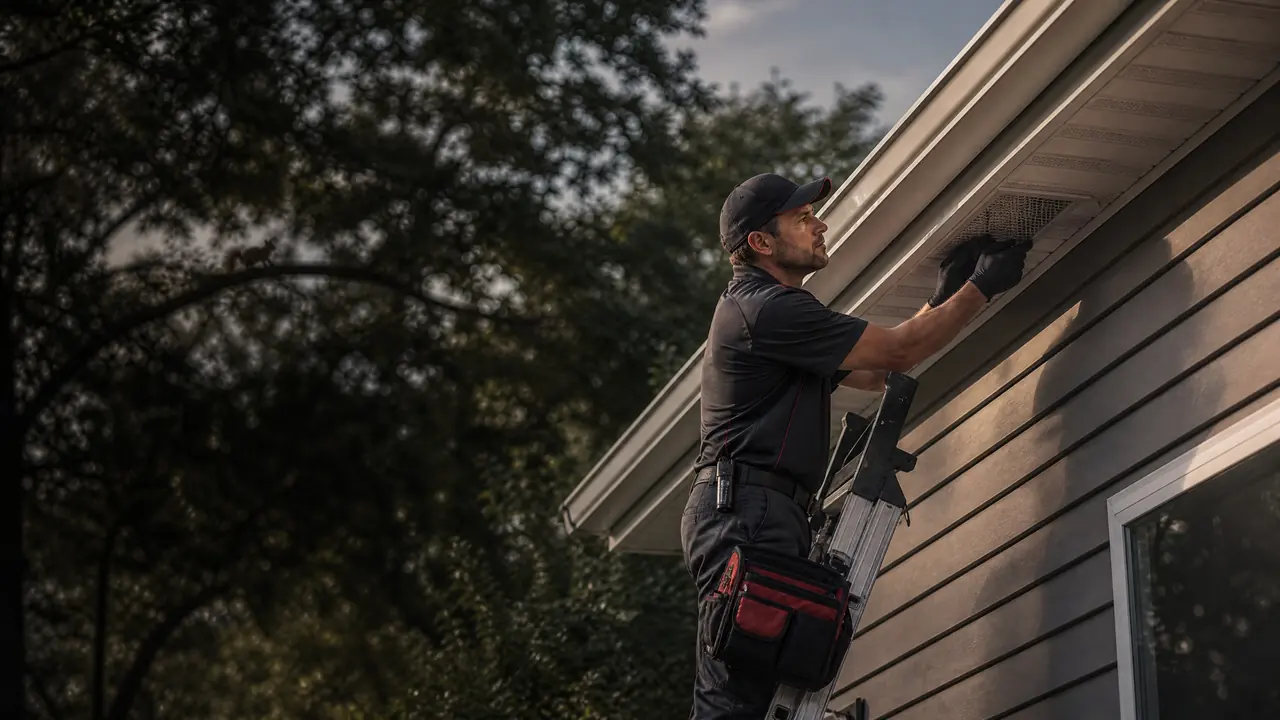
A focused inspection identifies activity, contributing conditions, and the right next step for your property.
Fayetteville-area service
Scratching in an attic, movement near soffits, damaged vents, droppings, or repeated animal entry calls for careful identification before openings are sealed. Venum evaluates the species, active entry points, nesting areas, accessible damage, and exclusion needs for homes across Fayetteville and surrounding communities.
Venum Pest Solutions serves Fayetteville, Hope Mills, Spring Lake, Fort Liberty, Raeford, Southern Pines, Sanford, and Eastover, North Carolina. Service availability can vary by location; call to confirm your property is within the current route.
Tell us what you are seeing and where the activity is occurring. We will follow up using the contact details you provide.
Useful guidance before service
Wildlife work begins with species identification and an understanding of how the animal is using the structure. Squirrels may travel through roofline gaps and chew in an attic; raccoons can enlarge weak openings and disturb insulation; bats may enter through narrow upper-level gaps; birds can nest in vents or soffits; and rats or mice can use plumbing, foundation, garage, and roof penetrations. Scratching sounds alone do not identify the animal, because timing, tracks, droppings, nesting material, damage, and the location of entry all matter.
Venum inspects accessible exterior and interior areas for active openings, travel marks, damaged vents, displaced soffits, gnawing, droppings, nesting, and contamination. The removal method is selected for the species and situation. It may involve trapping, one-way exclusion, direct removal when appropriate, or a staged approach that keeps technicians from sealing an active animal inside the building.
Removal and exclusion are separate parts of the solution. After activity is resolved, identified openings can be repaired or screened with materials appropriate to the location. Some contamination, insulation, wiring, roofing, or structural damage may need additional cleanup or repair. Wildlife rules and seasonal restrictions can affect what is permitted—especially for bats and certain birds—so homeowners should avoid handling animals or sealing openings before the situation is identified.
One sign rarely tells the whole story. Document where and when you notice activity, avoid disturbing the area when possible, and request an inspection if the evidence continues.
Scratching, rolling, squeaking, fluttering, or heavy movement—along with the time it occurs—can help narrow the likely animal and location.
Bent screens, open louvers, loose fascia, torn roof returns, or gaps around penetrations can provide repeated access.
Waste near insulation, rafters, ledges, stored items, or travel paths can indicate activity and may require careful cleanup precautions.
Leaves, paper, insulation piles, feathers, persistent odor, or flies can point to nesting, young animals, or a deceased animal.
Footprints, oily marks, tooth damage, disturbed soil, or chewed materials help identify routes and the size of the opening.
Animals regularly entering the same roof edge, vent, deck, crawl-space opening, or shed area justify an inspection before repairs are attempted.
Animals that can enter attics, damage insulation, and leave hazardous droppings.
Persistent chewers that may damage wood, wiring, and insulation.
Protected wildlife that can roost in attics and walls and leave guano deposits.
Nocturnal animals that may shelter under decks and in crawl spaces.
Venomous and non-venomous species that may enter structures seeking shelter or prey.
Species that nest in vents, soffits, and attics and may damage materials.
Rodents that contaminate food and damage walls, wires, insulation, and pipes.
Small rodents that enter through narrow gaps and reproduce rapidly in protected areas.
We identify the species, locate entry points, and assess activity and damage.
We use species-appropriate traps and exclusion devices in accordance with applicable rules.
We seal identified entry points with materials suited to the opening.
We explain cleanup, sanitation, insulation, and repair work that may be needed.
We use species-appropriate removal and exclusion methods and follow applicable wildlife regulations.
Common entry points include roof vents, soffit gaps, gable vents, plumbing penetrations, and construction gaps.
Exclusion reduces the chance of re-entry by sealing identified openings, but continued maintenance of the structure is important.
Call 877-878-3686 with the location and circumstances so we can confirm available service.
Not until the animal and situation are understood. Closing an active opening can trap wildlife or separate adults from young. An inspection helps determine the correct sequence for removal and exclusion.
Many do. Traps or exclusion devices may need checks, activity must be confirmed as resolved, and final repairs may follow. The number of visits depends on the species, access, building, and applicable rules.
Helpful homeowner guides
Learn how to recognize likely squirrel attic entry signs, identify activity humanely, avoid trapping young inside, and decide when an inspection is the prudent next step.
WildlifeSafe first steps when you hear scratching, movement, or animal activity above the ceiling.
Pest ControlClose entry points, reduce food and nesting sources, and know when rodent activity needs professional attention.
Call today for a free, no-obligation inspection. We will assess the property and explain the recommended next step.
Call: 877-878-3686